
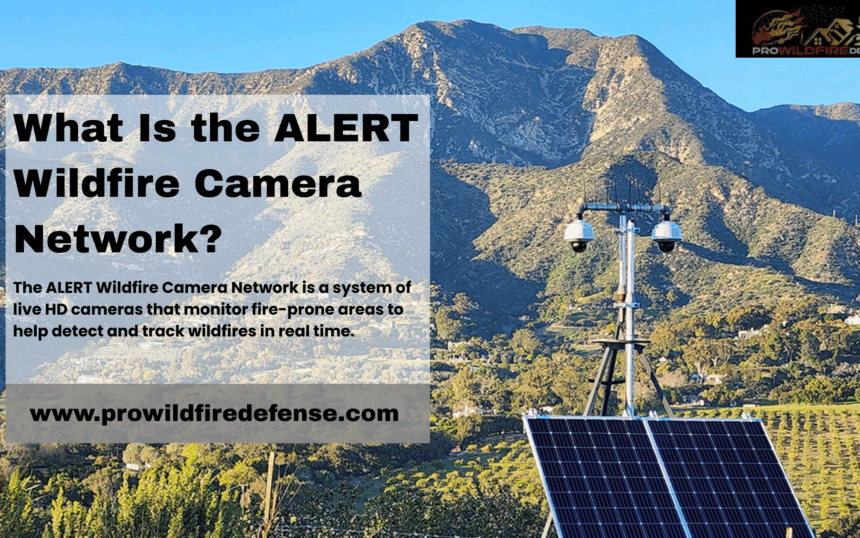
What Is the ALERT Wildfire Camera Network?
Wildfires have become a scary reality for millions of people living in the West. One minute, everything seems fine; the next, flames are racing through dry hillsides, forcing quick evacuations and overwhelming firefighters. But there’s good news: technology is stepping up to help spot these fires early.
At the heart of this effort is the alert wildfire camera network, a system of high-tech cameras that watch for smoke and flames across vast areas. If you live in fire-prone spots like California or Nevada, understanding this network could save your home or even your life.
In this post, we’ll break down everything you need to know about the alert wildfire cameras. We’ll cover how they work, where they’re placed, and why they’re a game-changer for fighting fires.
Plus, we’ll touch on related topics like wildfire defense systems, wildfire mitigation, and practical tips for how to protect your home against wildfires. Whether you’re a homeowner worried about the next blaze or just curious about modern fire tech, this guide keeps things straightforward.
The Basics: What Exactly Is the Alert Wildfire Camera Network?
Picture this: hundreds of eyes in the sky, not drones, but sturdy cameras mounted on mountaintops, towers, and ridges. That’s the ALERT wildfire camera network in a nutshell. Officially called AlertCalifornia.org (or simply ALERTWildfire), it’s a free, public resource run by a team of universities: the University of Nevada, Reno; the University of California, San Diego; and the University of Oregon.
The main goal? To give firefighters, emergency crews, and everyday folks a heads-up on wildfires as soon as they start. These fire cameras scan the horizon 24/7, looking for the telltale signs of trouble—like a puff of smoke on a windy day. Once something suspicious pops up, the system alerts the right people fast. It’s like having a neighborhood watch for the entire wilderness, but powered by cutting-edge tech.
Unlike old-school fire lookout towers where people scanned with binoculars, today’s alert cameras use automation. They don’t just watch; they analyze and share live video feeds online. Anyone can log in and check the views, which makes community involvement easier than ever. In a region where wildfires cost billions and claim lives each year, this network is a lifeline.
A Quick History: How Did Alert Wildfire Cameras Come to Be?
The story starts small, back in 2012, around Lake Tahoe. A pilot project called ALERT Tahoe set up the first batch of cameras to tackle the area’s high fire risk. It was a hit—between 2016 and 2019 alone, those cameras helped track over 1,000 fires, including big ones like the Kincade Fire in Sonoma County and the Saddleridge Fire near Los Angeles.
Seeing the success, the program expanded in 2019 to cover more of the West Coast and beyond. By 2022, the goal was 1,000 cameras just in California, and as of late 2025, the network has grown to over 1,100 fire cameras across multiple states. Funding comes from government grants, universities, and partnerships with fire agencies. It’s not flashy, but it’s effective—proving that smart planning can turn a regional tool into a national asset.
Where Does ALERT Provide Coverage? The Reach of These California Fire Cameras
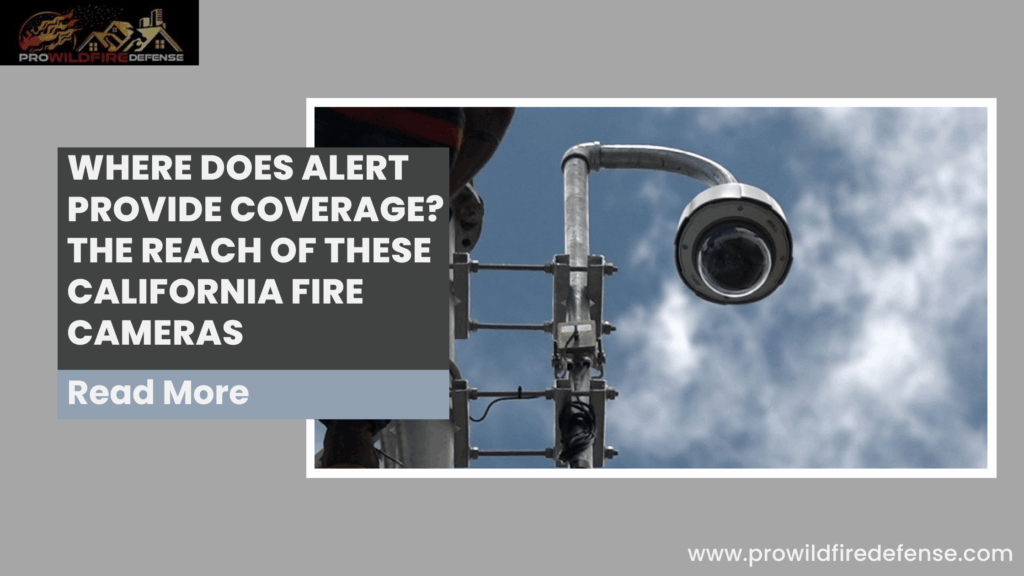
One of the best parts about the ALERT wildfire camera network is its wide blanket of protection. It focuses on the wildfire hotspots of the western U.S., where dry weather and dense forests create perfect storm conditions.
- California: This is ground zero, with cameras dotting the state from the North Coast to San Diego. Key zones include the North Bay (think Napa and Sonoma), Central Coast, Inland Empire, Eastern Sierra, Los Angeles, Orange, and Ventura Counties. If you’ve ever seen those California fire cameras streaming live during a blaze, chances are they’re part of this system.
- Nevada and Tahoe Region: Heavy coverage around Reno, Lake Tahoe, and the Sierra Nevada—places where fires can jump state lines overnight.
- Oregon and Washington: Cameras watch the forests from Portland up to the Canadian border.
- Other States: Expansion has reached Idaho, Montana, Utah, and even parts of Colorado. Plans are in the works for more along the Pacific Coast.
Not every backyard has a camera, but they’re placed strategically on high points for maximum view—up to 50 miles on a clear day. You can check coverage on the ALERTWildfire website by zooming into a map. It’s a reminder that while fires don’t respect borders, neither does this tech.
Inside the Tech: How Do Fire Cameras Actually Work?
Don’t let the simplicity fool you—these aren’t your average webcams. Each wildfire camera is a tough, weatherproof unit with pan-tilt-zoom (PTZ) motors, letting it swivel 360 degrees and zoom in on details up to 30 times magnification. They shoot in high definition (HD or better), capturing crisp images even at night with infrared assists.
Users can access it all through a user-friendly website or app. Pick a region, select a fire camera, and boom—live stream, time-lapse replays, and weather overlays. During the 2020 fire season, for example, these feeds helped coordinate air tankers dropping retardant right where it was needed most.
The Real Impact: Why Alert Wildfire Cameras Save Lives and Property
Since launching, the network has been a hero in hundreds of incidents. Take the 2018 Camp Fire, which killed 85 people: early detection from similar systems could shave hours off response times. Studies show that spotting fires within the first 30 minutes boosts containment chances by 50% or more.
For firefighters, it’s a force multiplier. Dispatchers scale up crews or aircraft faster, monitor how winds are pushing flames, and guide evacuations with precise visuals. The public benefits too—live feeds reduce panic by showing real conditions, helping folks pack up calmly if needed.
On the flip side, it ties into bigger wildfire defense systems. Cameras don’t fight fires alone; they feed data to apps like Google’s Fire Alert or state warning systems. In 2025, with climate change ramping up fire seasons, this integration is more crucial than ever.
Tying It All Together: Wildfire Mitigation and Protecting
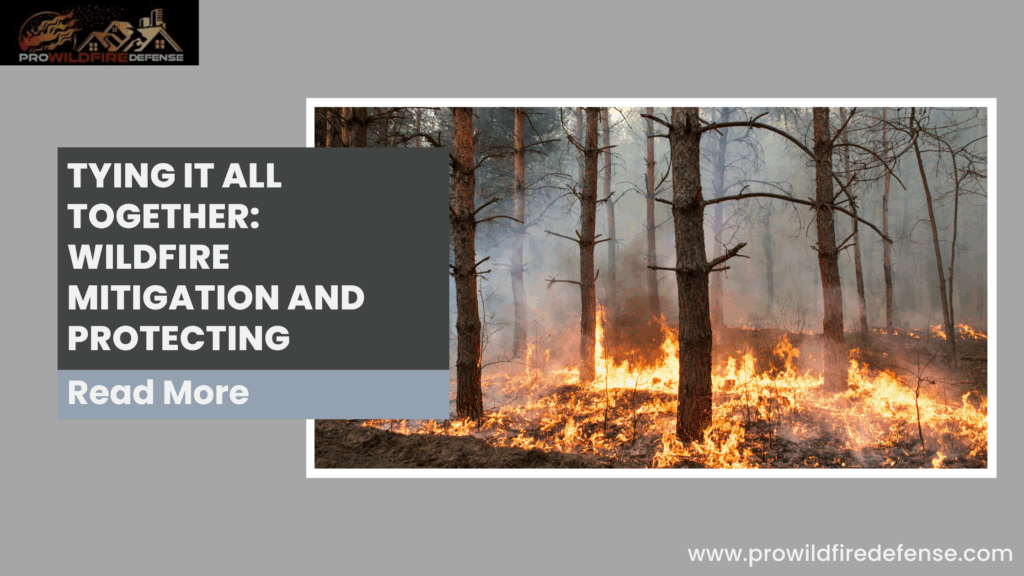
Spotting fires early is step one, but true safety means layering on mitigation for wildfires. The ALERT network shines here by providing data that informs community plans—like where to thin forests or build firebreaks.
For homeowners, wildfire mitigation starts close to home. Home hardening solutions turn ordinary houses into fortresses. Simple steps include:
- Create Defensible Space: Clear dead plants within 30 feet of your house. Trim branches so no tree touches your roof. This gives flames less fuel to jump onto your property.
- Choose Fire-Resistant Materials: Swap out vinyl siding for fiber cement or metal. Use tempered glass windows that won’t shatter in the heat. Even something as basic as fire-resistant homes with metal roofs can make a huge difference.
- Seal and Screen: Caulk gaps around vents to block embers. Install fine-mesh screens on attic and crawlspace vents. Embers start 90% of home ignitions during big fires.
- Water and Landscaping: Set up drip irrigation or exterior sprinklers. Plant low-water, fire-wise natives like lavender instead of dry grasses.
And don’t overlook everyday tweaks. Tools like Home Depot paint hardener? Not directly for fires, but products like fire-retardant sprays can treat wood fences or decks. For storage, home fire safes keep documents and valuables protected if you have to grab and go.
Ways to prevent wildfires extend beyond your yard, too. During red-flag warnings, skip outdoor burning or spark-causing tools like chainsaws. Support local efforts like prescribed burns, which clear out underbrush safely.
Pair these with ALERT wildfire camera alerts, and you’re building a solid defense. Apps from the network send push notifications for nearby smokes, giving you time to act.
Final Thoughts
The alert wildfire camera network proves that knowledge is the best fire extinguisher. From its humble Tahoe roots to over 1,100 fire cameras guarding the West, it’s a testament to what collaboration can achieve. In a warming world, systems like this—combined with smart wildfire defense systems and personal wildfire mitigation—give us a fighting chance.
But tech alone isn’t enough. Take action today: bookmark ALERTWildfire.org, review your home’s vulnerabilities, and talk to neighbors about community plans. Small steps now prevent big disasters later.
Ready to fortify your property? At Pro Wildfire Defense, experts offer tailored home hardening solutions, from defensible space audits to installing ember-resistant features. Don’t wait for the next alert—protect what matters most.
Visit ProWildfireDefense now for a free consultation and start building your fire-safe future today.
FAQs
What is a wildfire alert?
A wildfire alert is an early warning notice sent via app, text, or map when cameras or sensors detect potential fire activity. It includes location, size estimate, and safety tips, helping you prepare or evacuate quickly.
How many cameras does Alert California have?
As of November 2025, AlertCalifornia boasts over 1,100 alert wildfire cameras statewide, with more added yearly to cover high-risk zones.
What is the California wildfire detection system?
The California wildfire detection system is the backbone of AlertCalifornia, using AI-powered fire cameras, weather stations, and satellite data to spot ignitions. It’s integrated with state emergency services for rapid response.
What is a wildfire warning on maps?
A wildfire warning on maps shows active or predicted fire zones in red or orange overlays on apps like Google Maps or the ALERT site. It factors in camera feeds, wind data, and fire spread models to guide evacuations.
How to Protect Your Home Against Wildfires?
Start with mitigation for wildfires: clear vegetation 100 feet out, use non-combustible roofing, and seal vents against embers. Add home fire safes for valuables and consider professional home hardening solutions for long-term resilience.
