
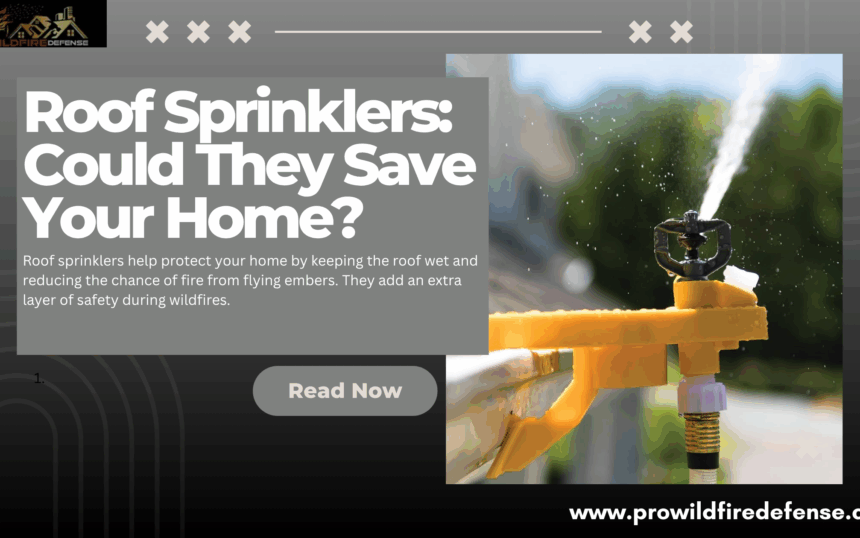
Roof Sprinklers: Could They Save Your Home?
How to prevent wildfires is a growing concern for homeowners across the country. Roof sprinkler systems are gaining attention as a proactive, simple, and powerful defense against wildfire destruction.
How Roof Sprinklers Work to Protect Your Home
Roof sprinklers are designed to keep your home and the surrounding structure wet during wildfire conditions, making ignition much less likely. When activated, they spray water over the roof, gutters, and nearby vegetation, creating a buffer that slows or stops embers from catching fire.
These systems are connected to your home’s water source and triggered manually or automatically. Some are integrated into broader wildfire defense systems, working in tandem with fire suppression systems and fire safety equipment to form a multi-layered approach to protection.
Sprinklers don’t fight active wildfires directly—but they do create a critical moisture barrier that can make a massive difference.
Key Features of Roof Sprinklers:
- Roof-wide water coverage
- Ember suppression
- Integration with fire sensors
- Remote activation options
The Benefits of Roof Sprinklers in Wildfire Prevention
The biggest perk? Peace of mind. Roof sprinklers offer around-the-clock readiness. If you’re not home during a wildfire event, a properly installed system can be remotely activated or run on a timer to safeguard your property.
Roof sprinklers are one of the more accessible solutions to prevent wildfires, especially in high-risk zones like California. They’re eco-conscious too—using controlled amounts of water precisely where it’s needed.
Combined with fire safety services and house fire insurance, these systems add a layer of resilience to your wildfire preparation plan.
Are Roof Sprinklers Effective in Extinguishing Fires?
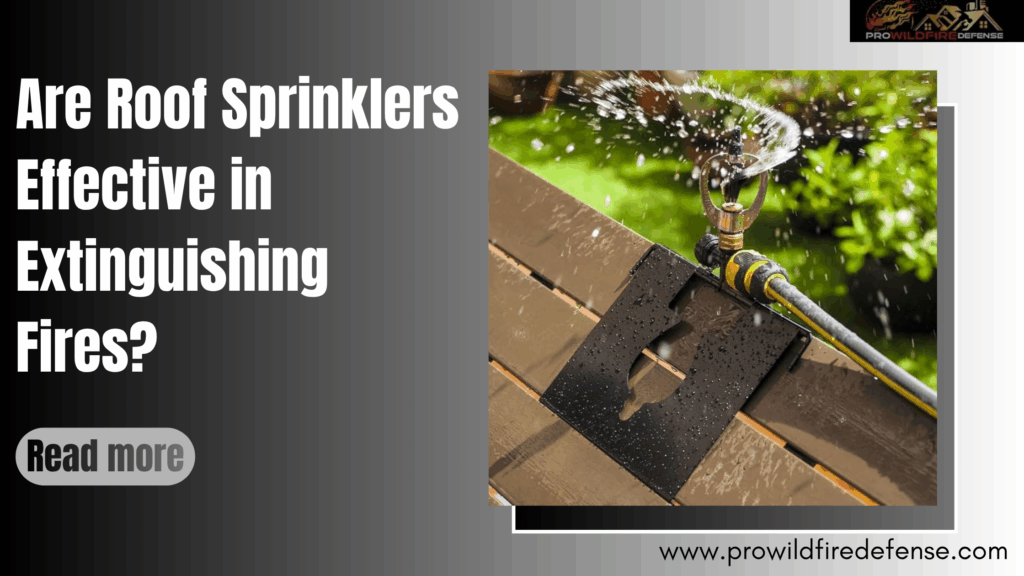
Here’s the honest truth: roof sprinklers aren’t built to extinguish raging fires. Instead, they help prevent small embers from turning into full-blown house fires—one of the top wildfire prevention tips from fire safety pros.
Their effectiveness depends on factors like wind speed, ember exposure, and your home’s proximity to vegetation. Spoiler alert: sprinklers on their own won’t save a house if there’s no defensible space. But paired with brush clearing and long term fire retardant, they can significantly reduce your risk.
So, are they worth it? Absolutely—especially as part of a Fire Safety Solutions package.
Also Read More Blog : How To Prevent Wildland Fires from Starting?
Choosing the Right Roof Sprinkler System for Your Property
Not all sprinklers are created equal. You’ll want to pick a system based on your roof type, property size, and water availability. Some popular systems include ridge-mounted, gutter-based, and eave-overhang designs.
Smart homeowners invest in commercial-grade roof sprinklers that integrate with weather sensors and remote apps. You’ll also want professional advice from fire and safety services to make sure your setup fits local fire codes.
Fire safety equipment suppliers often bundle sprinklers with other gear like hose reels and flame-resistant covers, making it easier to build a full defense suite.
Top Factors When Choosing a System:
Criteria Consideration
Roof material Metal, tile, or composite
Property size Square footage, landscape slope
Water source City, well, or emergency tank
Fire risk zone Local fire danger classification
Roof Sprinklers vs. Other Fire Protection Methods
Compared to traditional fire suppression systems, roof sprinklers are a proactive tool rather than a reactive one. They’re not here to put out fires—just to stop them from starting on your roof.
Unlike long term fire retardant sprays that bond to vegetation, sprinklers need a live water source and can be turned off and on. They’re also less invasive than installing full sprinkler networks inside your home.
That said, they’re most effective when used with other methods—not as a solo act. Think of roof sprinklers as your first line of defense in a larger wildfire prevention plan.
Installation and Maintenance Tips for Roof Sprinklers
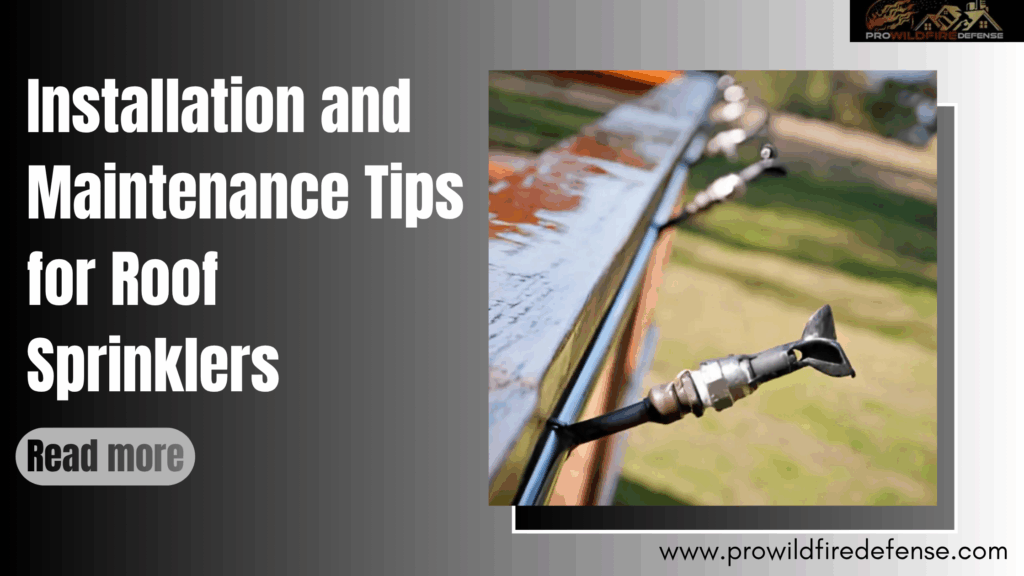
Installing roof sprinklers isn’t overly complex, but it does require careful planning. DIY kits exist, but for maximum effectiveness (and to meet insurance or city standards), it’s best to call the pros.
Routine maintenance is key: check for clogs, leaks, and corrosion at least twice a year. Also, make sure your water pressure is up to the task. And guess what? Most sprinkler systems can be winterized to avoid freeze damage in colder climates.
At Pro Wildfire Defense, certified installers offer evaluations and ongoing fire safety services to make sure your system stays ready when you need it.
The Role of Water Pressure in Roof Sprinkler Effectiveness
Water pressure can make or break your sprinkler system. Too low, and you won’t get full roof coverage. Too high, and you risk damaging lines or wasting water.
The ideal pressure for most systems sits between 50–70 PSI. If you’re using well water or a gravity-fed tank, consider adding a booster pump. Modern systems can also include pressure regulators and gauges so you’re not left guessing.
This isn’t just a technical detail—it’s a cornerstone of fire and safety equipment design. Poor water pressure could mean the difference between safety and catastrophe during peak wildfire season.
FAQ
Q: How effective are home sprinkler systems in wildfires?
Home sprinkler systems, especially roof-mounted types, are effective in reducing ignition from airborne embers and slowing the spread of small fires. They’re a smart choice for how to prevent wildfires at the home level.
Q: Can I put a sprinkler on my roof by myself?
Yes, there are DIY kits available. However, for full functionality and compliance with safety standards, professional installation is recommended. It’s a core part of modern fire safety equipment planning.
Q: Are Roof Sprinklers Eco-Friendly?
Yes! They use minimal water compared to emergency firefighting and are targeted—only wetting key areas during risk periods. This makes them both practical and sustainable fire safety solutions.
Q: What are the benefits of sprinklers for wildfire prevention?
Benefits include 24/7 readiness, ember suppression, remote activation, and potential house fire insurance discounts. They’re a great piece of a complete wildfire defense system.
Q. How Roof Sprinklers Can Be Part of a Comprehensive Fire Safety Plan?
So, how to prevent wildfires at home? Start with a big-picture strategy. Roof sprinklers are just one tool in the shed. Add long term fire retardant sprays, defensible landscaping, and a reliable fire suppression system for layered safety.
Roof sprinklers act as a moisture shield. Combine that with smart planning, quality fire safety equipments, and expert guidance, and you’ve got a winning defense.
Don’t Wait for Smoke—Act Now
If you’re in a wildfire-prone region, roof sprinklers might be the smartest upgrade you make this year. They’re easy to install, cost-effective, and a proven way to reduce fire risk.
Ready to take action? Learn more about roof sprinkler systems, professional installation, and full wildfire defense packages by visiting Pro Wildfire Defense.
