
How To Prevent Wildland Fires from Starting?
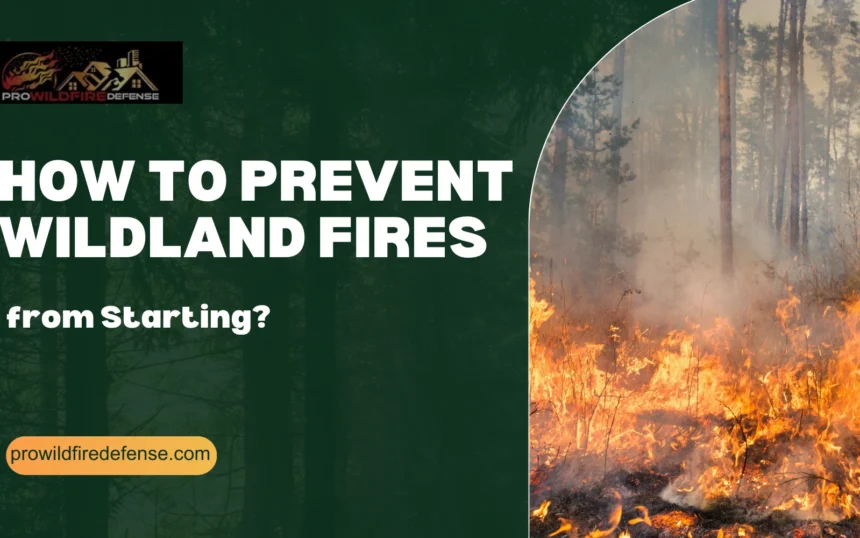
Wildland fires can turn peaceful, thriving landscapes into scenes of destruction in a matter of minutes. Towering flames, choking smoke, and the heartbreaking loss of wildlife, homes, and natural resources highlight just how quickly these disasters can unfold. Understanding how to prevent wildland fires from starting is not just important—it’s essential for protecting lives, ecosystems, and entire communities.
While lightning and natural causes account for a small portion of these fires, the truth is that most wildland fires are caused by human activity. From an unattended campfire to a stray cigarette, it doesn’t take much for a blaze to ignite. That’s why awareness and responsibility are key.
Whether you’re hiking through the woods, enjoying a bonfire, or simply driving through a dry area, your actions matter. In this guide, we’ll walk you through practical, everyday steps you can take to reduce the risk of wildland fires and help protect the places we all love to explore.
Understanding the Causes of Wildland Fires
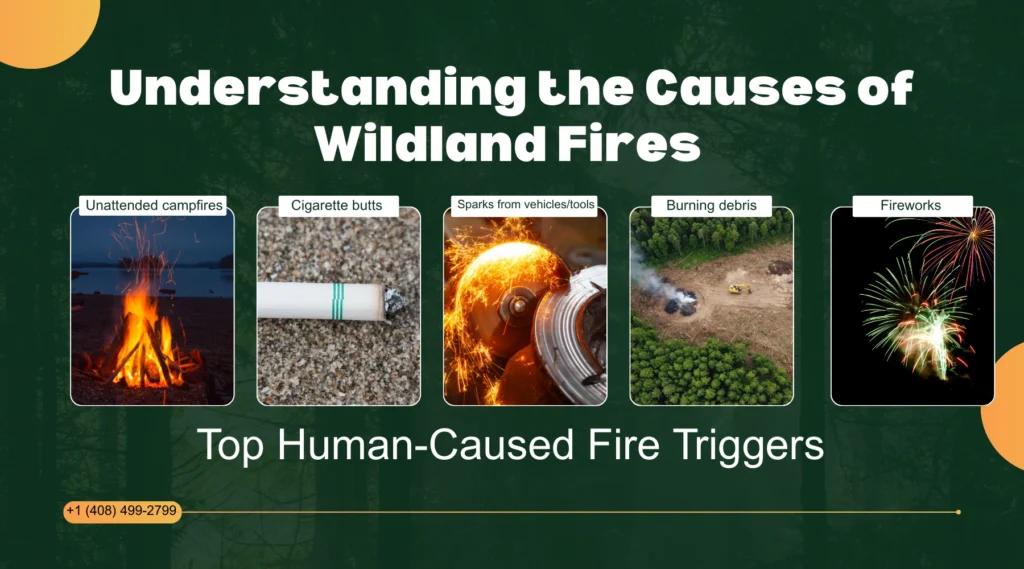
Before we explore how to prevent wildland fires, it’s essential to understand what causes them. Most wildfires are sparked by human activity—think unattended campfires, discarded cigarettes, or sparks from equipment. Natural causes like lightning contribute, but preventing forest fires often starts with people making better choices.
About 85% of wildfires in the U.S. are human caused. In places like California, where the climate is dry, the smallest ember can become a raging inferno. Knowing the risks is the first step in wildfire prevention.
Top Human-Caused Fire Triggers:
- Unattended campfires
- Cigarette butts
- Sparks from vehicles/tools
- Burning debris
- Fireworks
Proper Fire Safety Practices When Camping and Hiking
Practicing fire safety while camping and hiking is one of the easiest ways to prevent wildfires. Always use designated fire rings and keep a bucket of water nearby. Never leave your fire unattended and douse it completely before you go—if it’s too hot to touch, it’s too hot to leave.
California state parks provide clear guidelines for fire safety and following them can dramatically prevent wildfires in California—a state that sees some of the most destructive wildfires annually.
The Importance of Proper Disposal of Cigarettes and Campfire Remains
It only takes one smouldering cigarette or an improperly extinguished fire pit to ignite acres of land. Preventing forest fires can be as simple as handling your cigarette butts responsibly.
If you smoke, use a portable ashtray or stub your cigarette out completely in a non-flammable container. When extinguishing campfires, drown them with water, stir the ashes, and drown again.
Managing Vegetation: Reducing Fire Fuel Around Your Property
If you live near within a mile of wildland areas, you’ve probably heard the phrase “defensible space.” Creating one is a big part of forest fire prevention.
Clear dry leaves, dead branches, and overgrown shrubs within 30 feet of your home These can act as fuel especially when blown by gusts of wind and piled up next to structures during fire events giving fires a direct path to your property, and accumulated fuel that can ignite a home’s siding, etc
Vegetation Maintenance Checklist:
- Trim tree branches at least 10 feet from chimneys
- Mow grass regularly
- Remove leaf piles and dead wood
- Keep firewood at least 30 feet from structures
Safe Equipment Use: How Tools and Vehicles Can Spark Wildfires
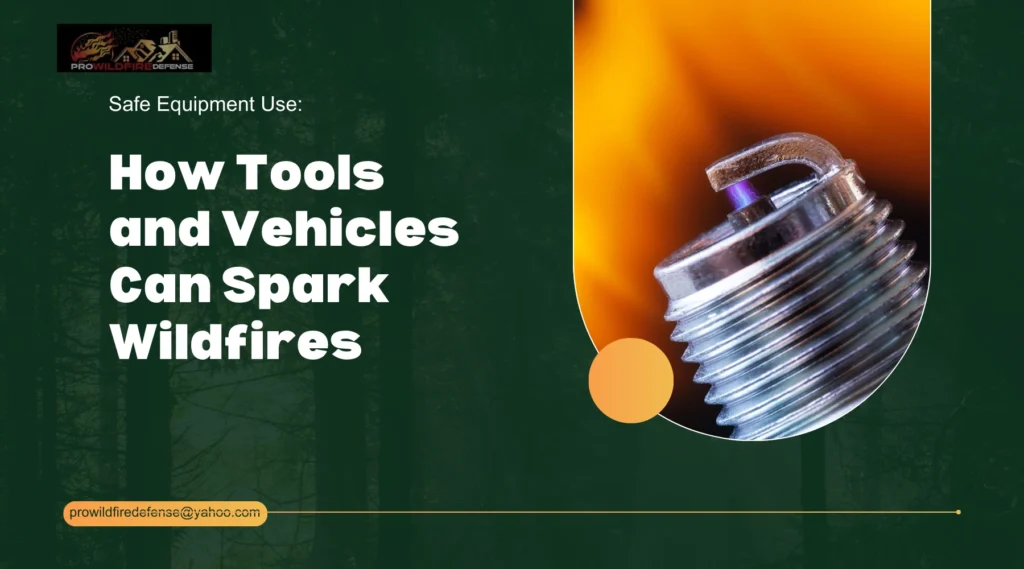
Did you know that your mower or chainsaw could start a fire? Equipment that produces heat or sparks can ignite dry vegetation in seconds.
Use metal-bladed tools early in the day when humidity is higher. Keep a shovel and extinguisher nearby, just in case. And never park your vehicle over dry grass—the heat from your undercarriage could trigger a fire.
Want to know how to prevent outdoor and wildland fires? Start with your tools and how you use them.
Community Awareness: Educating Others About Fire Prevention
Sharing wildfire prevention info with your neighbours, friends, and even kids can create a ripple effect.
Local fire departments often run awareness campaigns, and you can support them by spreading the word. Whether it’s posting on social media, attending a community meeting, or just talking with neighbours, preventing forest fires starts with informed communities.
The Role of Government and Local Authorities in Fire Prevention
Federal, state, and local agencies play a major role in the prevention of forest fire outbreaks. From issuing fire bans to conducting controlled burns, they implement strategies we all benefit from.
Programs like CAL FIRE’s defensible space inspections help residents in high-risk zones stay compliant and safe. Supporting these initiatives—through advocacy or volunteering—makes a big difference in wildfire prevention efforts.
How Weather Conditions Affect Wildland Fire Risk?
Weather is a huge factor in wildfire behavior. High temperatures and low humidity dry out vegetation, making it easier to ignite. Wind can carry embers miles ahead of a fire front.
Monitoring local fire danger ratings helps you plan better. On Red Flag Warning days, avoid using any open flames or spark-producing tools. This is one of the most overlooked, but critical ways to prevent wildfires.
What to Do If You Spot a Potential Fire Hazard?
If you notice smouldering debris, a neglected campfire, or suspicious activity, report it to local fire authorities immediately. Quick action can stop a spark from becoming a full-blown blaze. Don’t assume someone else will handle it—how can we prevent wildfires if we ignore warning signs?
Reporting Tips:
- Call 911 for emergencies
- Use local fire department hotlines
- Share precise location details
- Stay at a safe distance
Conclusion
Preventing wildland fires starts with awareness, responsibility, and proactive choices. Whether it’s properly extinguishing a campfire, maintaining defensible space around your property, or following local fire safety guidelines, small actions can make a big difference.
At Pro Wildfire Defense, we’re committed to helping homeowners take meaningful steps toward wildfire resilience. Using a systematic hardening process proven by the IBHS Wildfire Prepared Home Program, we work to reduce the risk of fire damage before it starts.
Visit us to learn how our wildfire defense services can help safeguard your home and bring peace of mind in fire-prone seasons.
FAQs
Q: How do you stop wildfires once they start?
Firefighting crews use a mix of ground and aerial resources, but the best method is to prevent wildland fires before they start prevention is always easier than suppression.
Q: How can we prevent wildfires in residential areas?
By maintaining defensible space, using fire-resistant landscaping, and ensuring proper disposal of flammables, we can greatly reduce risk and prevent forest fires from spreading.
Q: What’s the role of public education in fire prevention?
Educating communities about safe practices, especially in high-risk zones, empowers people with the knowledge they need to prevent wildland fires effectively.
Q: How to reduce wildfires during extreme heatwaves?
Avoid all open flames, postpone landscaping work, and report any smoke or fire signs early. Awareness and cautious behavior can help prevent wildfires even during high-risk weather.
